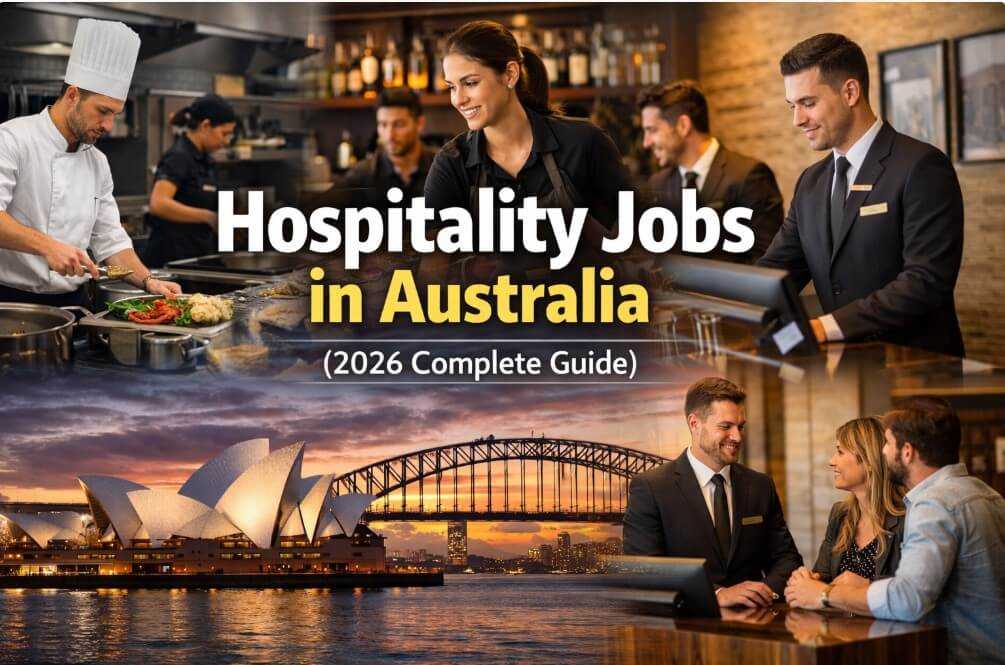
Australia’s hospitality industry continues to face challenges in finding experienced chefs, particularly in specialised cuisines, high-volume kitchens, and regional locations. As a result, many venue owners broaden their talent search and look at global experience pools when planning long-term staffing strategies.
Many chefs working internationally have:
Experience in high-pressure, high-volume kitchens
Exposure to multiple cuisines and service styles
Training in structured hotel or restaurant systems
Strong adaptability in multicultural teams
For Australian venues, this experience can be valuable when building stable, long-term kitchen teams.
Rather than focusing on countries for recruitment purposes, hospitality employers often look at regions known for culinary depth and professional kitchen training.
Chefs from South Asia commonly bring:
Strong skills in spice management and flavour balance
Experience in vegetarian, meat-based, and banquet cooking
Backgrounds in hotels, catering, and large kitchens
These skills are often suited to Indian, fusion, and high-output venues.
Many chefs with Southeast Asian experience are known for:
Exposure to Western and Asian cooking styles
Strong service discipline and teamwork
Experience in resorts, cruise ships, and international hotels
This background is often valuable for modern Australian menus and mixed-cuisine concepts.
Major hospitality hubs in the Middle East employ chefs from across the world in:
Luxury hotels and large restaurant groups
High-volume, high-standard kitchen environments
Strict hygiene, safety, and operational systems
Chefs with experience in these environments often transition well into structured Australian venues.
Some regions are recognised for chefs with:
Strong grill, protein, and Western cooking experience
English-language kitchen environments
Adaptability to regional and community-based hospitality venues
These backgrounds can be useful for pubs, bistros, and regional businesses.
When evaluating chef candidates with international experience, businesses should focus on:
Cuisine relevance to your menu
Experience in similar service volumes
Communication and teamwork skills
Willingness to commit to long-term roles
Cultural fit and kitchen attitude are often as important as technical ability.
Any hiring situation that involves additional legal or regulatory considerations should always be reviewed by licensed professionals. This article does not provide guidance on immigration, sponsorship, or compliance processes.
Venture Uplift supports hospitality businesses by:
Helping clarify chef hiring needs
Connecting employers with hospitality professionals who bring the right skills and experience — regardless of where they’ve worked.
Facilitating recruitment discussions and workforce planning
Is global experience useful for Australian hospitality venues?
Yes. Many chefs with international experience bring strong operational discipline and adaptability to Australian kitchens.
Should employers focus only on local or global talent?
Successful venues focus on the right skills and experience, regardless of where that experience was gained.
Strong hospitality businesses focus on:
Skill alignment
Long-term team stability
Thoughtful workforce planning
Venture Uplift helps employers connect with experienced hospitality professionals and build sustainable kitchen teams — without providing legal or immigration advice.
📩 Post your chef hiring requirement and start meaningful recruitment conversations with clarity and confidence.