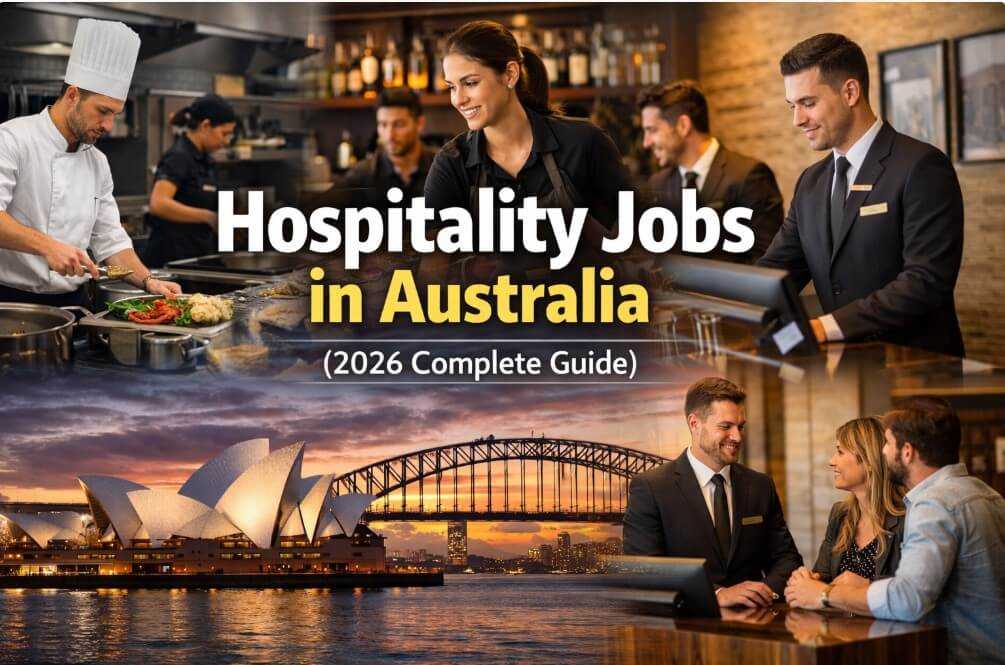
Hiring experienced chefs is one of the most important decisions hospitality businesses make. Whether you operate a restaurant, café, pub, or hotel, staffing choices directly affect service quality, consistency, and long-term profitability.
This article provides a high-level overview of cost considerations and business impacts when planning long-term chef recruitment strategies.
It does not provide legal, immigration, or regulatory advice.
Staff turnover is one of the most expensive challenges in hospitality. Businesses often underestimate the true cost of:
Repeated recruitment and advertising
Training and onboarding new staff
Inconsistent service and customer dissatisfaction
Owner or manager burnout from constant staffing gaps
A structured hiring strategy helps reduce these hidden costs over time.
When planning chef recruitment, hospitality businesses should budget for:
Time spent advertising and screening candidates
Use of platforms or networks to reach qualified professionals
Trial shifts and induction
Menu familiarisation and kitchen processes
Team integration and leadership alignment
Reduced errors and wastage
Improved kitchen efficiency
Better scheduling and workflow management
These costs exist whether hiring locally or expanding the talent search.
Many venues find that investing in the right chef delivers strong long-term returns through:
Lower staff turnover
Consistent food quality
Stronger team leadership
Improved customer experience and repeat business
Short-term savings from rushed hires often lead to higher long-term losses.
Hospitality businesses that focus on long-term staffing strategy rather than quick fixes often benefit from:
More predictable labour costs
Better team culture and morale
Reduced management stress during peak seasons
Planning ahead allows owners to make confident decisions rather than reactive ones.
Venture Uplift supports hospitality businesses by:
Helping clarify chef hiring needs and expectations
Connecting employers with experienced hospitality professionals
Supporting workforce planning and recruitment discussions
This article is for general business guidance only and does not provide legal, visa, immigration, or regulatory advice.
For compliance or regulatory matters, employers should consult licensed professionals.
Is hiring experienced chefs more expensive than casual staffing?
In the short term, it can appear that way. Over time, consistent staffing often reduces turnover, training costs, and operational disruption.
Should small hospitality businesses plan long-term hiring strategies?
Yes. Even small venues benefit from clear role planning and sustainable staffing decisions.
Successful hospitality businesses treat chef recruitment as a strategic investment, not just a staffing task.
Venture Uplift helps hospitality employers connect with the right people and insights to build stable, high-performing kitchen teams — without providing legal or immigration advice.
📩 Post your chef hiring requirement and start building a stronger team with clarity and confidence.